


From the archive: I first published this essay in August 2024. The Dog Days have returned—and this piece felt worthy of another turn in the sun.
Happy August 1st!
Are you ready for the August heatwaves of Dog Days?
Who, Who, Who Started Dog Days?
The phrase is not from the Grammy-award-winning hip-hop ditty Who Let the Dogs Out? by the Bahamian boy band Baha Men, whom I thought must have written the song for an ASPCA fundraiser or some Dog Catcher convention as a team-building exercise. It is a catchy tune with its refrain, Yippie Yi Yo. Yet somehow, it’s no surprise to learn the lyrics reference women offended by boorish male behavior at a summer party. “Who let the dogs out?” a young woman asks over a mobile phone. (Video below) And that was the clue that led me to the origin of Dog Days.
Dog Days dates back to the 8th century BCE. The Greeks let the dogs out, establishing the precedent for boorish male behavior at summer parties for the next three millennia. This probably explains why, in fair play, Artemis, goddess of the Moon and the Hunt, turned the “peeping tom” Actaeon into a stag whom her fifty hounds pursued to his death. It would seem goddesses are ill-tempered in oppressive heat and humidity. At least, that’s how the story goes in Ovid’s Metamorphoses.
The Cave of Cyclops
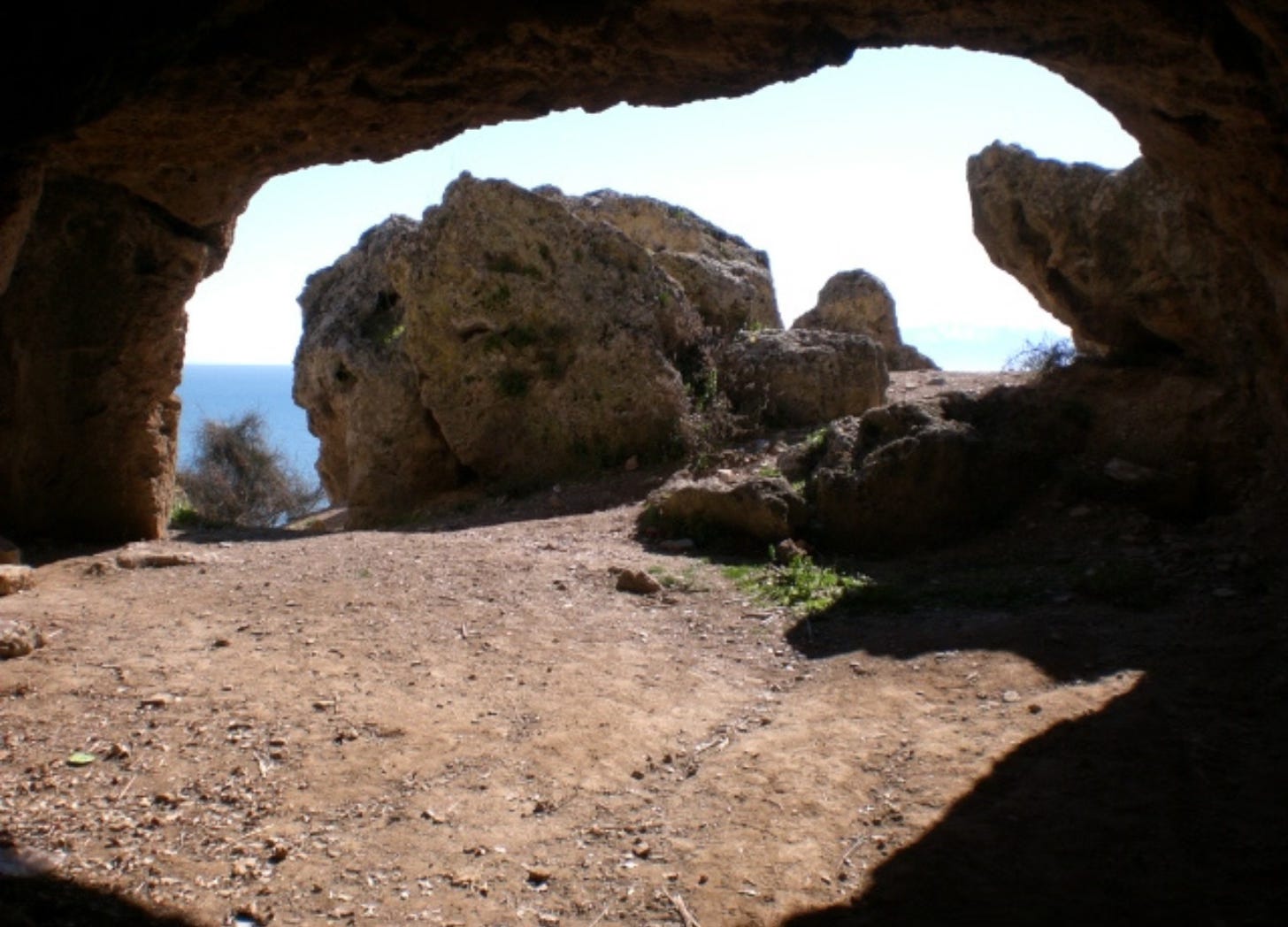
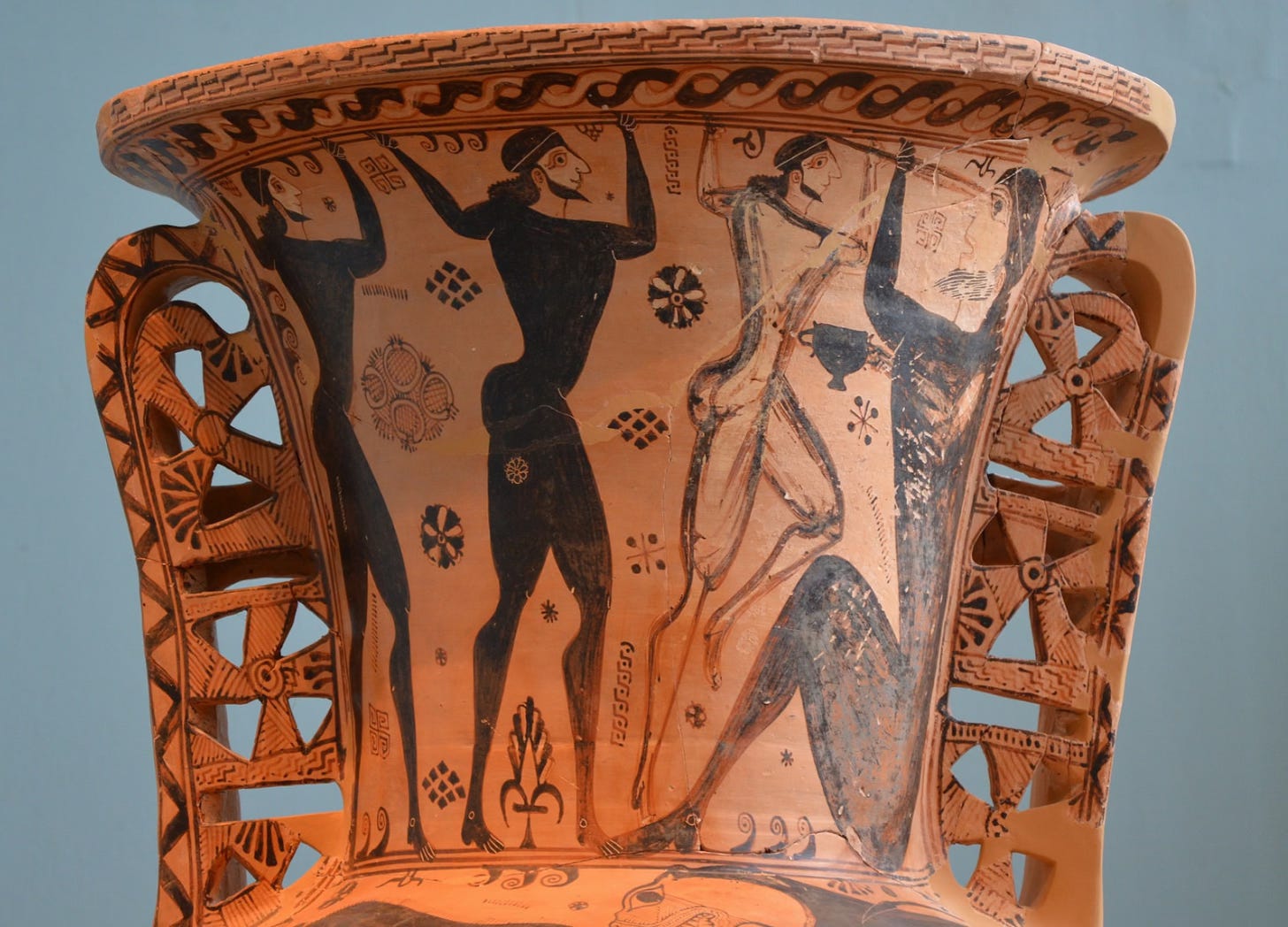
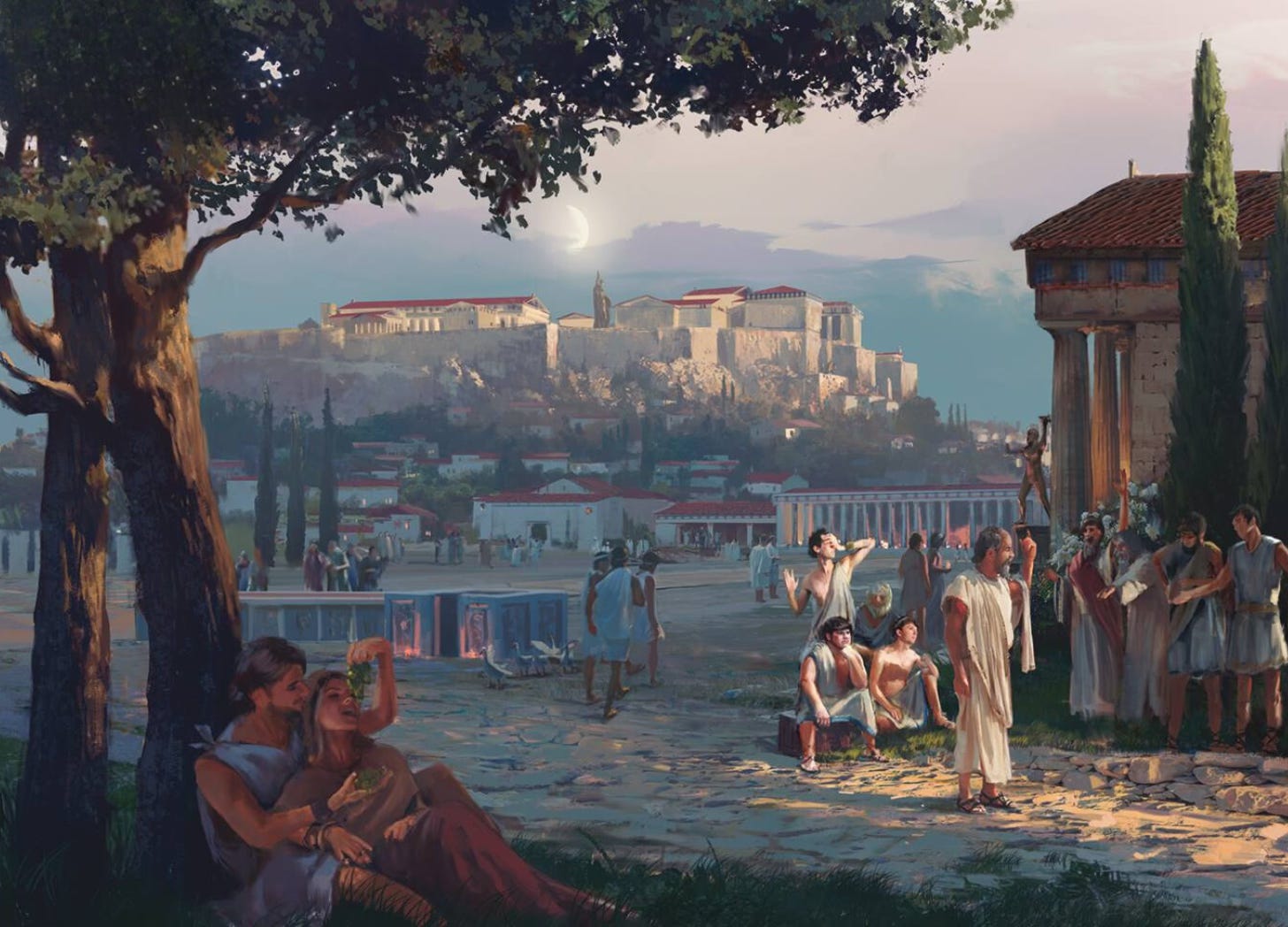
Imagine yourself in 8th-century BCE Greece. It’s August. It’s hot. Everyone feels miserable. The air is thick with ill-willed omens swirling around the Agora, the public square, and ongoing conspiracy theories about the incident with Odysseus at the Cave of Cyclops are on everyone’s lips.
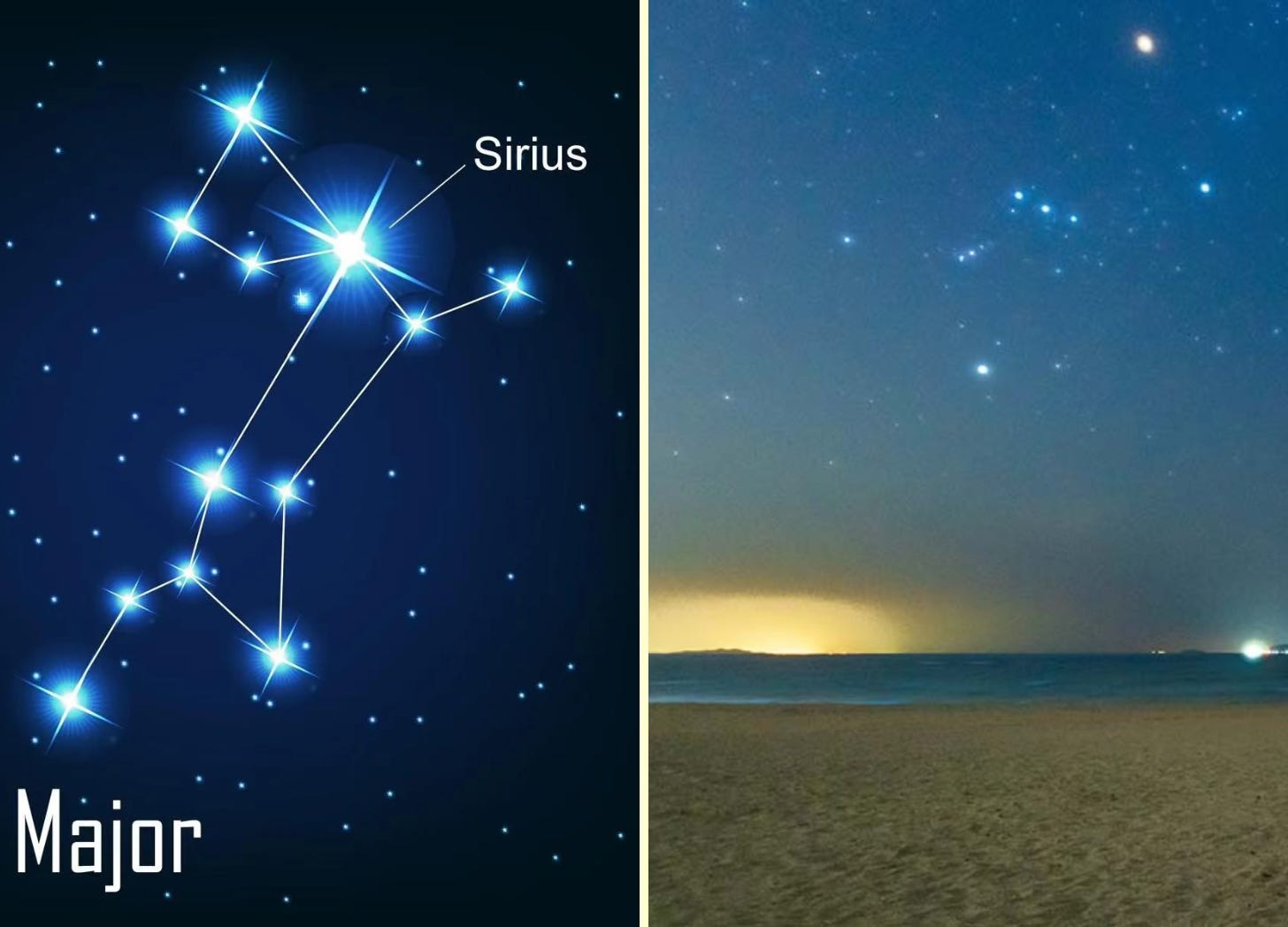
Meanwhile, Greek astronomers observed something magical happening on the horizon as the Sun began to rise. As night turned to dawn, Sirius, the brightest star in Canis Major's constellation, rose in tandem with the Sun. This awe-inspiring event is called a helical rise.
You may know the ancient saying “as above, so below.” It means what happens in the sky also happens on Earth. The Greeks related the constellation Canis Major to the hunter Orion and his hunting dog. Dog breeds, such as Molossian Hounds, were known for their strength, size, and guarding abilities. Agile and fast, Laconian Hounds were known for their hunting abilities. Finally, the small lap-size dogs, the Maltese, were prized for their companionship and beauty. The Greeks loved their dogs as much as we do today.
Combine this information and place it in Homer's poetic hands, and you will find references to the phrase Dog Days in August throughout Greek literature and history.
Voila, the Greeks invented the Dog Days in August to coincide with the heliacal rise of Sirius, the Dog Star, with the Sun. Who needs a better reason for a beach party?
The Panathenaic Festival Highlights
The Greeks celebrated Sirius's heliacal rise with a festival to honor the goddess Athena, Athens's patron. Held at the Agora, the festival included food, music, dancing, and poetry slams, and people gathered for the culminating event, the procession to the Acropolis.
Instagram Feed from the Dog Days Festival


Tips to Make Your Last Summer Feast Straight Out of Ancient Greece
In their marvelous book Gifts of the Gods: A History of Food in Greece, Andrew and Rachel Dalby include the word wild in the names of many herbs, meats, and fish—wild thyme, wild basil, wild pears, wild boar. What else would these things be in the 8th century BCE, right? Upon reflection, the word wild reminds readers that once upon a time, what we consider fresh, organic food cultivated by farmers was simply part of the natural ecosystem of civilization.
Tip #1: Get Your Hands Dirty
Go beyond the farmers’ market. Plan a trip to a local farm where you can handpick your herbs and vegetables. There’s something magical about pulling a living plant from the ground or clipping fresh leaves that connects you to the earth.
Tip #2: Toast to the Stars
As the Greeks celebrated under the stars, make a toast during your summer feast. Lift a glass of your favorite drink and give a shout-out to Sirius, the Dog Star. Gather your friends and humankind’s best friend (your dog) and share a toast to the beauty of the night sky.
Tip #3: Bring the Myth to Life
As the Greeks loved storytelling and poetry, invite your guests to create a tale. The first person starts with a sentence. The following person repeats the first sentence and adds the next, and so on. See how far you can expand the story. It’s a fun way to honor the spirit of the Panathenaean festival and keep oral storytelling alive.
Tip #4: Cook like a Greek
Prepare a meal inspired by the flavors of ancient Greece. Think roasted lamb, grilled fish, olives, fresh figs, and honey. Don’t forget the herbs—rosemary, thyme, and oregano—to season your dishes. Serve everything family-style, encouraging communal eating as the Greeks would have done.
Tip #5: Toast the Host and Be Grateful
The Greeks offered toasts to health and the gods for the abundance they enjoyed as a community. Let’s all do the same.
Dance Like No One Is Watching
Who Let the Dogs Out? by Baha Men was recently remastered. The energy of dogs running amok, the lyrics, the music, the edgy video cuts, and the craziness of being youthful with only the next summer party to plan in a gorgeous setting draw out a playful joyfulness that I cannot resist.
But, I promise, you’ll never see me dance. I did once on a tabletop in a college bar in Akron, Ohio. But that’s a story best left to the ages.
Enjoy!
Note: Also, thank you to worldhistory.org for making so much of its content, images, maps, and videos available through Creative Commons. I am a member and supporter of their work. Check them out.
Just catching this delicious ode to summer's closing feast. It reminds me that it is time, as the season changes, to brace for Fall, with fresh (from the farm or green market) veggies, fruit, and whatever else - and honey with fresh peppermint tea. Thanks, Melissa, for this keeper.